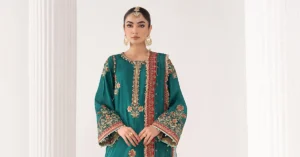
Wedding Attire

Maria.B Bridal Wear: Price & Review for Diaspora Brides
Your wedding is one of the most meaningful moments of your life, and if you are a Pakistani bride planning your big day from the
Your wedding is one of the most photographed, most remembered, and most emotionally significant days of your life. If you are a Pakistani bride living in the USA, UK, Canada, or UAE, finding the right outfit is not just about aesthetics. It is about identity, heritage, and making a statement that travels across oceans. The world of Pakistani bridal dresses 2026 is more exciting than ever, with designers pushing the boundaries of embroidery craft, silhouette innovation, and sustainable luxury. Whether you are planning a grand barat lehenga, an intimate nikkah ensemble, or a glowing walima gown, this guide covers everything you need to know to shop smart, shop authentic, and shop with confidence from anywhere in the world.
Pakistani bridal couture sits at the very top of the South Asian fashion pyramid. It is not simply a dress. It is a handcrafted work of art that can take skilled artisans anywhere from six weeks to several months to complete. Understanding what separates true bridal couture from luxury pret or formal wear helps you make informed decisions when browsing online.
Genuine bridal couture is built on full handcrafted construction. Every sequin, every thread of zardozi, every piece of gota is placed by hand. The embroidery work alone can involve techniques such as kora, dabka, naqshi, mukaish, kamdani, and zari alongside embellishments like Swarovski crystals, sheesha mirror work, jeweled appliques, and 3D floral beadwork. The density, consistency, and layering of this handwork is what separates a genuine couture piece from a machine-embroidered replica.
The design journey typically begins at the technical pattern team, then moves to the embroidery department, and finally arrives at the finishing stage before it ever reaches your hands. Reputable designers are transparent about this process, and so are trusted retailers like Brands Zilverah.
The fabrics used in Pakistani bridal couture are selected as carefully as the embroidery itself. Premium bridal garments are crafted in materials like pure silk, silk organza, chiffon, velvet, net, jacquard, banarasi, jamawar velvet, tissue, and raw silk. Each fabric is chosen for its drape, its ability to hold heavy embellishments, and its behavior under photography lighting. In 2026, there is also a growing shift toward breathable, skin-friendly textiles like organic mulberry silk and double-layered chiffon, particularly among designers serving brides who want comfort alongside elegance.
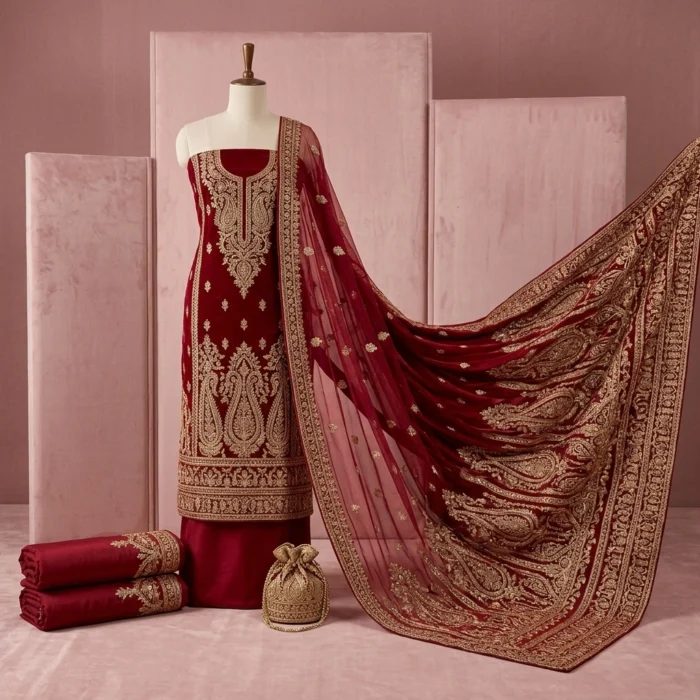
A true Pakistani bridal set is never just a shirt. It is a complete ensemble: a heavily embellished blouse or shirt, a statement bottom piece (lehenga, sharara, or gharara), and an ornate dupatta. The dupatta in 2026 is taking center stage, with heavily embroidered borders, mirror work, and multi-layered styling elevating the entire look. Some designers are also introducing detachable elements like interchangeable capes and layered dupattas for versatility across ceremonies.
Browse our curated selection of Bridal Couture and Luxury Bridal Dresses to explore pieces that embody this standard of craft.
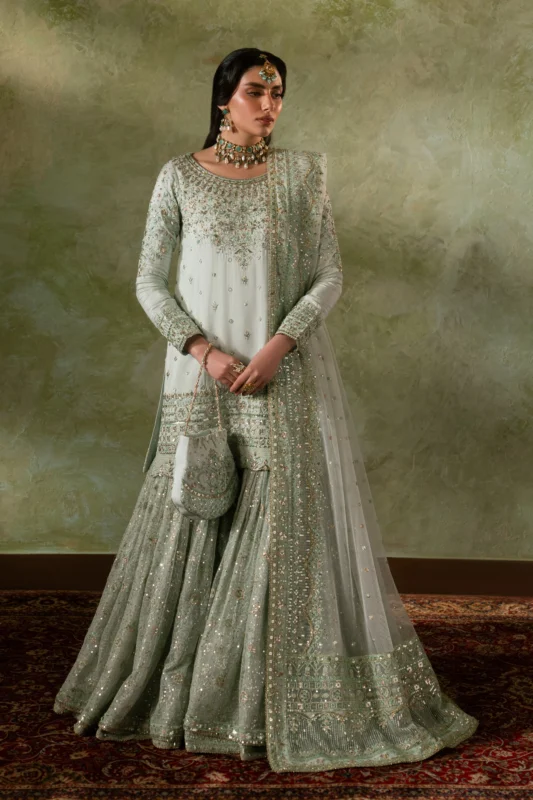
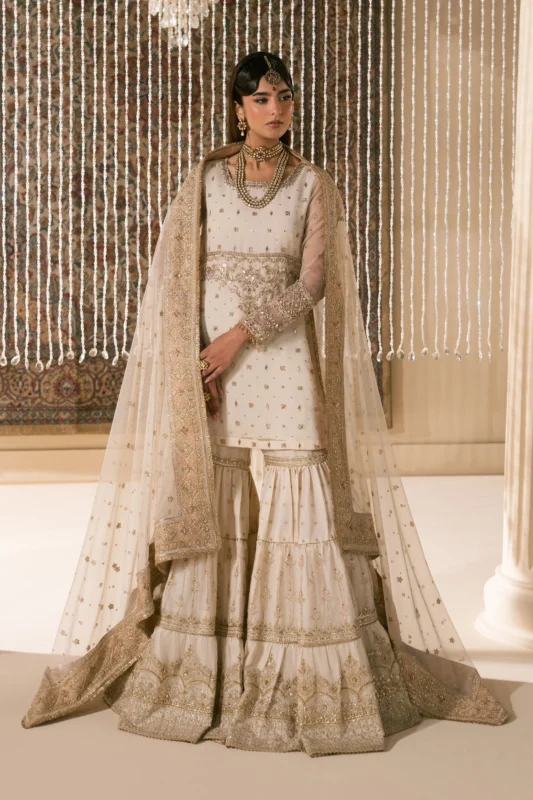
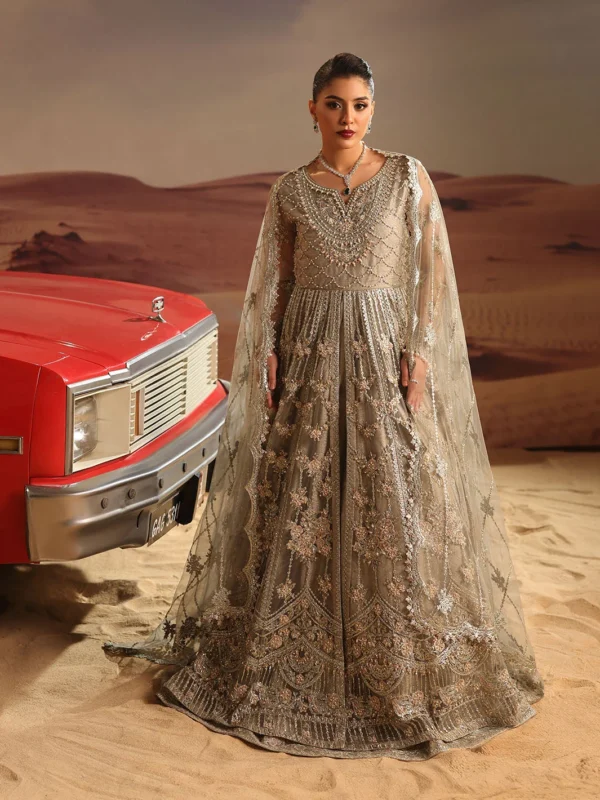
The Pakistani designer landscape is rich with talent, each house offering a distinct visual identity. Here is your essential guide to the names that are shaping bridal couture in 2026.
HSY, widely referred to as the King of Couture, continues to define grand bridal dressing in 2026. His collections are dramatic, deeply cultural, and architecturally precise. Classic reds, maroons, and heavy gold embellishments remain his signature, but his 2026 work shows a refined maturity that balances heritage motifs with contemporary silhouettes.
Elan is the go-to name for brides who want ethereal, romantic aesthetics. Soft pastels, dreamy embellishments, and modern cuts that feel like fairytale couture define the Elan signature. Their pieces photograph beautifully in both natural and artificial light, making them especially popular for international brides who want their wedding photos to feel timeless.
Maria B. continues to be one of the most versatile and beloved names in Pakistani fashion globally. In 2026, Maria B. has leaned into sustainability, incorporating eco-conscious fabrics and traditional embroidery techniques to create bridal wear that serves brides who value both comfort and beauty. If you are shopping from abroad, our dedicated guide on how to buy Maria B. dresses outside Pakistan will walk you through the process step by step.
Faraz Manan represents understated luxury at its finest. His work in organza and silk with refined, restrained embellishments appeals to the modern bride who wants elegance without excess. His pieces are particularly popular for nikkah and walima occasions.
Faiza Saqlain has become almost synonymous with elegance and artistic brilliance in Pakistani bridal couture. Since the brand’s founding in 2012, every collection has integrated cultural symbolism with contemporary appeal. Her romantic pastels, floral ghararas, and refined silhouettes stand apart in a crowded market and are particularly sought after by diaspora brides who want heritage with a modern sensibility.
Zara Shahjahan brings vintage charm and delicate handwork to her bridal collections, making her a favourite for intimate weddings and nikkah ceremonies. Her muted florals and heirloom-level craftsmanship feel personal and artisanal rather than mass-produced.
Nomi Ansari is the designer for brides who want color and personality. Bold, vibrant palettes and playful patterns make his bridal collections a celebration in themselves. Ammara Khan offers heritage-inspired structures with modern detailing, while Sana Safinaz brings minimalist yet luxurious structured silhouettes that appeal to the globally oriented bride. For more on Sana Safinaz’s international reach, read our feature on Sana Safinaz international shipping.
Zainab Chottani is celebrated for her signature shimmering mirror work and layered gota embroidery, while Bunto Kazmi remains the standard-bearer for Mughal-inspired zardozi work at the most elevated, heirloom level of craftsmanship.
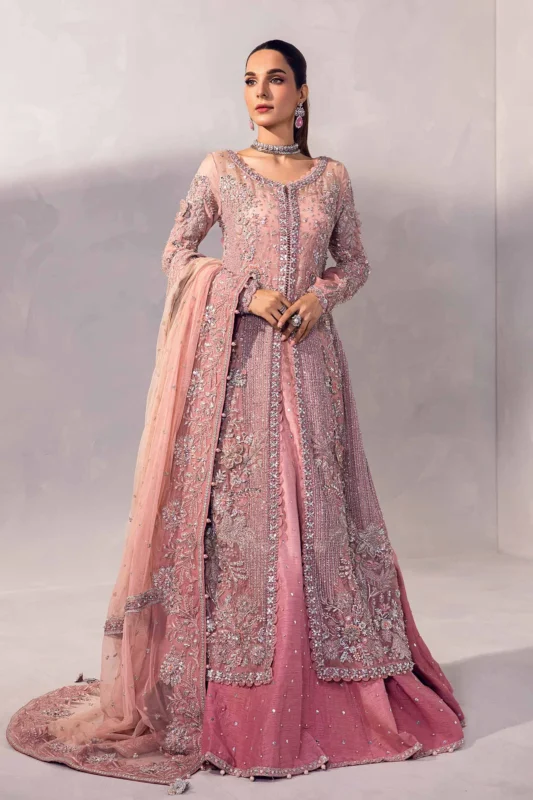
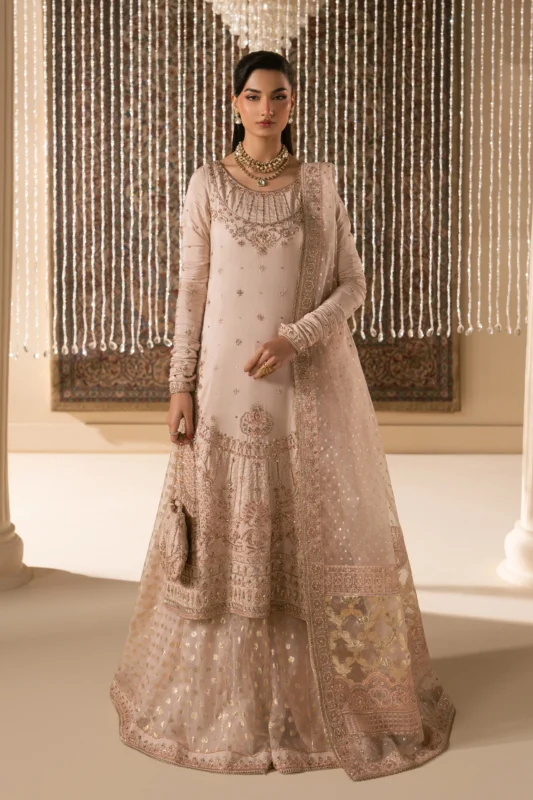
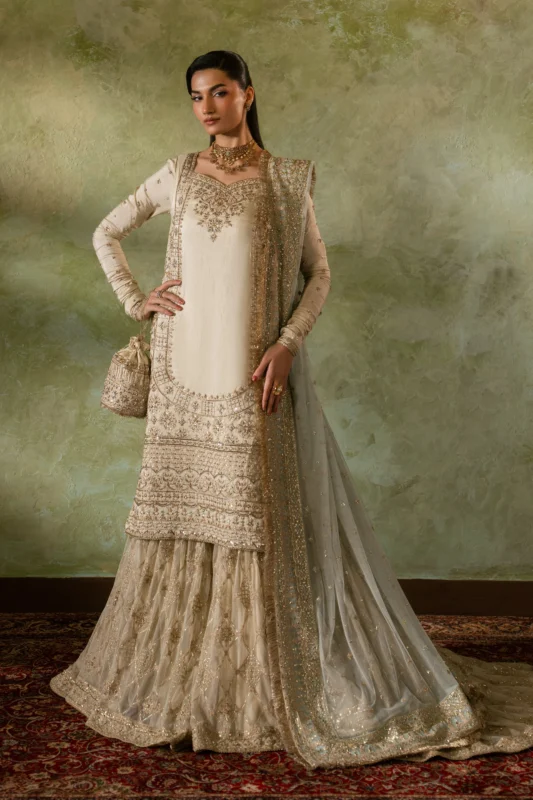
The most exciting thing about Pakistani bridal dresses 2026 is how deliberately they balance tradition with evolution. This is not a year of dramatic revolution. It is a year of refinement, where classic heritage craft meets modern sensibility in deeply intentional ways.
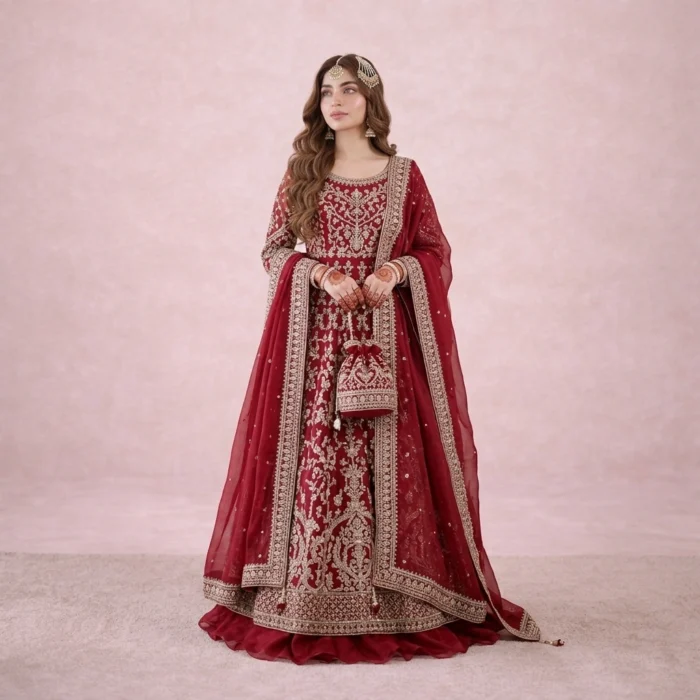
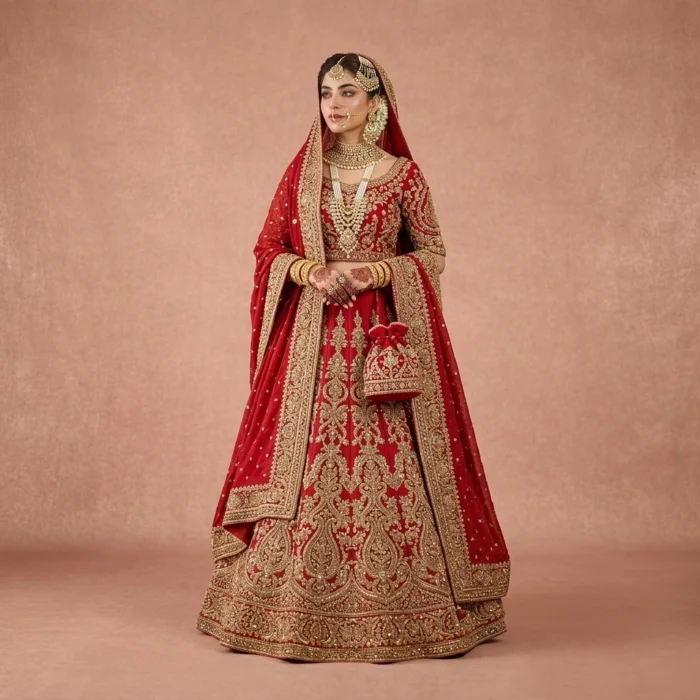
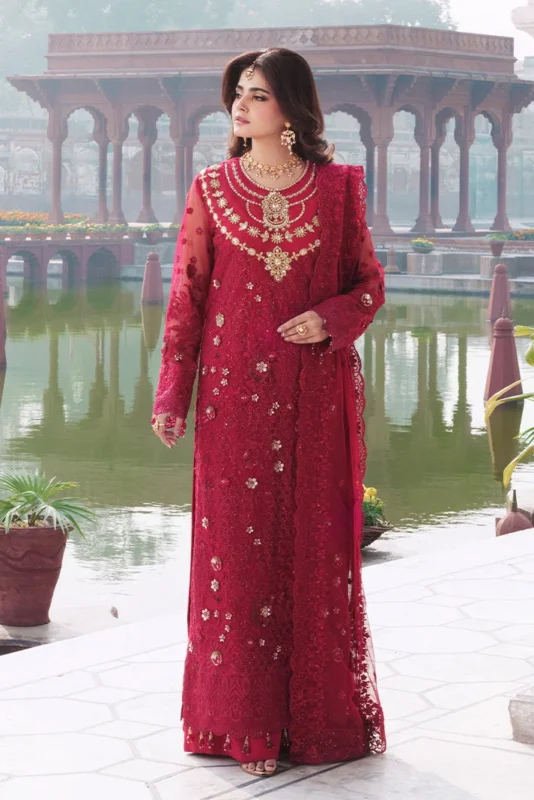
Red remains iconic for barat, but in 2026 it has evolved into deeper, more complex tones: maroon, wine, rust-red, and antique red are replacing the flat scarlet of previous decades. These evolved reds photograph more richly and feel more sophisticated in person.
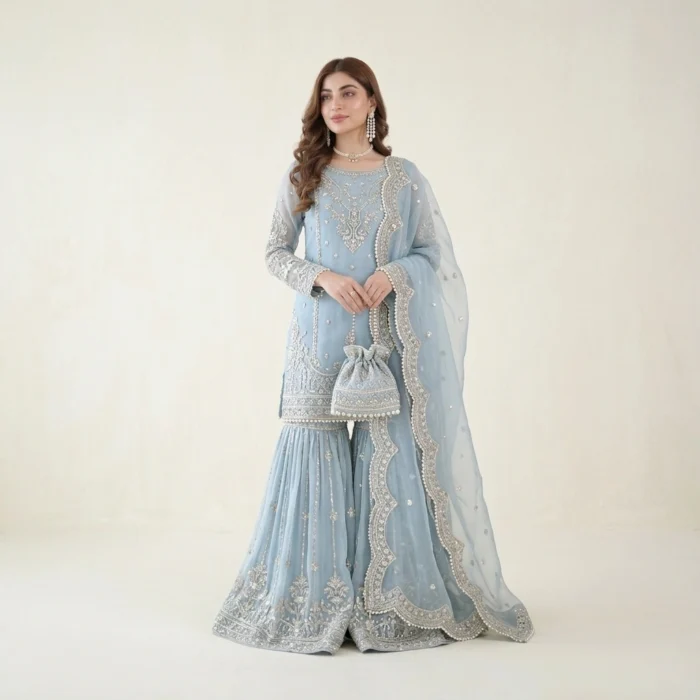
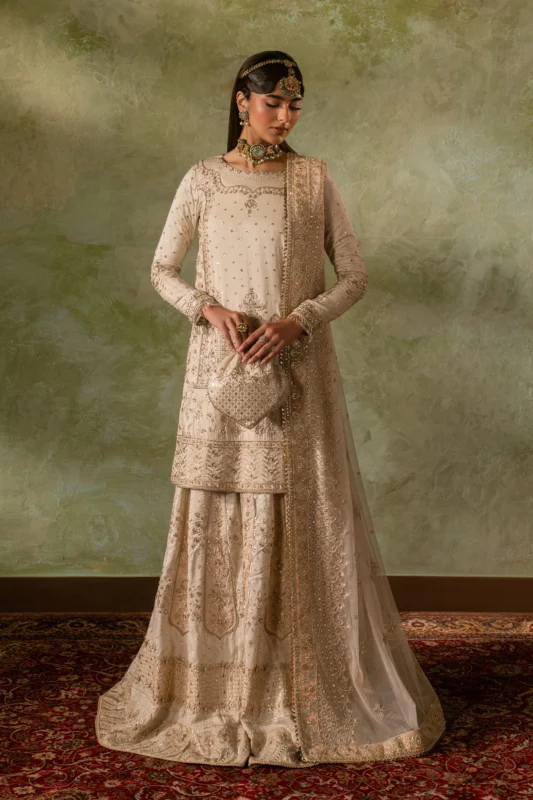
For nikkah and walima, pastels have firmly established themselves as a bridal category. Ivory, champagne, mint, ice blue, blush, and beige are all being worn as primary bridal colors, not just as accent shades. These are paired with tonal embroidery that creates a tone-on-tone luxury effect that looks expensive without overwhelming the eye.
For winter weddings, velvet in rich jewel tones is making a powerful comeback. Emerald green, royal blue, deep maroon, and plum in velvet construction convey royalty and warmth simultaneously. These are statement pieces designed for brides who want maximum drama in cold-weather ceremonies.
The sharara and gharara revival continues in full force, but 2026 has brought sharper tailoring to these classic silhouettes. The focus is on shapes that define the waist, sit cleanly on the hips, and move gracefully. Whether worn for mehndi, nikkah, or intimate events, a well-tailored sharara in a premium fabric is among the most universally flattering choices in Pakistani bridal dressing.
Western-inspired long tail gowns with floor-sweeping trains, intricate lacework, and delicate hand embroidery are gaining momentum among Pakistani brides abroad. These fusion silhouettes merge eastern embroidery with western drape, often paired with veils or heavy dupattas to anchor the look in cultural identity. Peplum tops over lehengas, capes worn over shararas, and jacket-style gowns are all trending as ways to create individuality within tradition.
If one trend defines Pakistani bridal fashion in 2026, it is the rise of metallic embroidery as a centerpiece rather than an accent. Gold and silver zardozi, naqshi, kora, and dabka are being used to construct entire visual stories across bridal outfits rather than simply framing edges or hemlines. Alongside this, personalized bridal embroidery is growing as a trend. Custom initials, meaningful dates, and family motifs embroidered directly into the garment create an heirloom quality that mass-produced fashion simply cannot replicate.
Explore our Luxury Bridal Lehenga collection and Luxury Bridal Maxi category for pieces that embody these 2026 embroidery trends.
Pakistani weddings are multi-day celebrations, and each ceremony carries its own sartorial expectations. Understanding which style suits which occasion helps you build a complete bridal wardrobe that feels intentional rather than accidental.
The mehndi is a vibrant, joyful ceremony that calls for bright, celebratory colors. Yellow, green, orange, and hot pink in sharara, gharara, or frock silhouettes are the traditional choice. The mood is festive and the embellishments are typically lighter than barat wear, allowing the bride to move freely and dance.
The barat is the main wedding event, and it demands the most heavily embellished outfit in the bridal wardrobe. A deeply embroidered lehenga, pishwas, or maxi gown in red, maroon, or deep gold is the standard. This is where the investment in true bridal couture pays off most visibly. Photographs from the barat are the ones that will be framed, shared, and treasured for generations.
The nikkah has become an increasingly important occasion for dedicated bridal dressing. Many brides choose pastels, ivory, or blush for their nikkah look, distinguishing it clearly from the barat. An elegant sharara, pishwas, or anarkali in a premium fabric like raw silk or organza with tonal embroidery makes for a nikkah look that feels ceremonially significant without competing with the barat outfit. Browse our full range of Nikkah Dresses for 2026-ready options.
The walima or reception is traditionally the occasion where brides step into lighter, more contemporary styling. Maxi gowns, structured anarkalis, and sarees in champagne, pastel blue, turquoise, or ivory are all popular. The walima look should feel like a natural evolution from the barat, showing range without abandoning the elegance of the wedding day. Lightweight fabrics like chiffon and organza are especially popular for walima as they allow more freedom of movement and are easier to manage during a long reception event.
For engagements, lehengas and formal dresses in pinks, greens, and purples are the traditional choice. An engagement is a wonderful opportunity to experiment with color and silhouette in a lower-stakes setting than the wedding itself. Browse Engagement Dresses for current options that work beautifully as standalone occasion wear.
One of the most common questions from international buyers is how much to budget for Pakistani bridal dresses 2026. The answer depends heavily on the tier of craft you are seeking and the designer whose work you want to wear.
The Pakistani bridal market spans several clearly defined value tiers. At the entry level ($100 to $300), you will find machine-embroidered pieces on imported synthetic fabrics. These are suitable for second functions, bridesmaid styling, or budget-conscious buyers who want a Pakistani aesthetic without a full couture investment.
The middle tier ($300 to $800) offers a mix of hand and machine embroidery on better quality fabrics. Pieces in this range from reputable brands deliver genuine cultural authenticity and are widely available through verified online boutiques. Several of the NAQSHI pieces in our collection fall comfortably within this range, offering raw silk and organza construction at accessible price points.
The premium tier ($800 to $2,500 and above) is where fully handcrafted bridal couture from established designers begins. Entry-level designer bridal pieces in international markets start from approximately $1,150, while mid-tier designer pieces range between $1,625 and $2,550. High-end designer bridal dresses in lehenga, pishwas, and gown styles typically range from $2,875 to $4,050 on established international platforms.
True luxury bridal couture from houses like HSY, Bunto Kazmi, Faraz Manan, and Ammara Khan can range from $3,000 to $15,000 or more, depending on embroidery hours, fabric selection, and the level of bespoke customization involved.
If you are ordering from the USA, UK, Canada, or UAE, build an additional 10 to 20 percent into your budget to cover international shipping, customs duties, and any local alteration costs. At Brands Zilverah, we ship worldwide and offer transparent information on delivery for international orders. The Maria B. Blush Pink Ombre Lehenga Set at $1,300 and the NAQSHI Damiya Off-White Bridal Silk Frock at $630 represent strong value options at different budget levels within our current catalog.
Buying bridal couture online from across the world requires more care and more knowledge than purchasing standard pret. These tips will help you shop with confidence and avoid the common pitfalls that international buyers encounter.
The first quality indicator is handwork density. Genuine bridal couture will have dense, consistent, multi-layered hand embroidery visible in close-up photography. Always look for detailed product images that show the embroidery up close. If a listing only has full-length shots and no detail photography, that is worth questioning.
Fabric quality is the second indicator. Premium fabrics include pure silk, organza, chiffon, velvet, tissue, and fine net. Each fabric should be described with its drape and texture in mind. Ask the seller about fabric composition if you are unsure. A reputable retailer will always be able to tell you exactly what you are buying.
Designer provenance matters enormously in bridal couture. Always buy from verified brand retailers or the designer’s official channels. Look for official brand tags visible in product images. At Brands Zilverah, every piece we carry is sourced directly from the original Pakistani designer brand, giving you the assurance of authenticity with every order.
Ensure the listing includes a complete set: the main outfit, the dupatta, and coordinated inner wear. Customization options should also be clearly stated. Finally, check that the product listing provides clear information on lead time. Custom bridal creation typically takes six to twelve weeks depending on embroidery complexity. Reputable sellers are always upfront about this, and ordering four to six months before your wedding is strongly recommended to allow adequate time for creation and any adjustments.
Be cautious of unusually low prices on items described as fully handcrafted couture. If a piece is listed at $200 and described as fully hand-embroidered in pure silk with Swarovski crystals, something does not add up. Genuine couture costs what it costs because the labor and materials are genuinely expensive.
Other red flags include listings with only screen-grab photography and no natural-light images. Screen colors distort ivory, blush, and silver tones significantly, and a trustworthy seller will provide natural daylight photography or be willing to provide fabric swatches. Avoid sellers who cannot provide video proof of the embroidery process, who have no clear return or sizing policy, and who offer no guidance on customs or import duties for international orders. These are not minor inconveniences. They are signals of unreliable sourcing.
Pakistani bridal sizing is typically based on chest and waist measurements rather than standard Western sizing. When ordering from abroad, always provide your exact measurements and communicate directly with the retailer about fit. Most pieces in the premium and couture tier can be made to measure or adjusted before shipping. Budget for a local tailor’s visit upon arrival as well, particularly if you are ordering a lehenga or sharara where the fit through the waist and hips is critical to the overall silhouette.
Also explore our full Lehenga collection for the widest selection of bridal and formal lehenga options currently available.
A piece of genuine bridal couture is an investment, and treating it accordingly both before and after your wedding preserves it for years to come.
Store your bridal outfit in a cool, dry, and dark environment away from direct sunlight. Sunlight degrades fabric dyes and embellishments over time, and even brief exposure can cause fading in delicate chiffon or organza pieces. Keep the outfit flat or gently rolled in acid-free tissue paper rather than folded sharply, as sharp folds can crease heavy embroidery and flatten three-dimensional embellishments. Avoid hanging a heavily embroidered lehenga or sharara for extended periods, as the weight of the embellishments can distort the fabric over time.
Dry cleaning is the standard recommendation for heavily embellished bridal couture. Seek a dry cleaner who has experience with beaded or embroidered South Asian garments. Standard dry cleaning processes that work perfectly well on Western formal wear can damage delicate zardozi, gota, or mukaish embellishments. Before handing over the garment, point out any specific areas of concern such as particularly dense embroidery sections or delicate sheesha mirror work.
After cleaning, store the outfit in a breathable garment bag, not plastic. Plastic traps moisture and can cause long-term damage to silk fibers and metallic threads. Acid-free tissue paper between folds will protect the embellishments and keep the garment in display-ready condition for years.
Pakistani bridal dresses in 2026 span a wide range. Entry-level designer pieces start from approximately $1,150, while mid-tier designer options range between $1,625 and $2,550. High-end couture from premium houses like HSY, Bunto Kazmi, and Faraz Manan can range from $3,000 to $15,000 or more. For international buyers in the USA, UK, Canada, and UAE, add 10 to 20 percent for shipping and customs costs. Mid-range options from brands like NAQSHI are available on our site from $490 to $670, making them accessible entry points into authentic Pakistani designer fashion.
For custom or made-to-order bridal couture, ordering four to six months before your wedding date is strongly recommended. Custom bridal creation typically takes six to twelve weeks depending on embroidery complexity. This timeline does not include international shipping, which can add one to three weeks, or any local alteration time after arrival. Ordering well in advance also gives you time to request fabric swatches, communicate about sizing, and address any adjustments without the stress of an approaching wedding date.
The most celebrated names for Pakistani bridal couture in 2026 include HSY, Elan, Maria B., Faraz Manan, Faiza Saqlain, Zara Shahjahan, Nomi Ansari, Sana Safinaz, Ammara Khan, Zainab Chottani, and Bunto Kazmi. Each designer offers a distinct aesthetic, from HSY’s grand dramatic couture to Elan’s dreamy pastels and Faiza Saqlain’s heritage-inspired romance. Your best choice depends on your personal style, the ceremony you are dressing for, and your budget.
In 2026, evolved reds including maroon, wine, rust-red, and antique red are leading for barat occasions. Pastels such as ivory, champagne, blush, mint, and ice blue are strongly trending for nikkah and walima looks. For winter weddings, rich jewel tones in velvet including emerald green, royal blue, deep maroon, and plum are making a significant comeback. The overall direction is toward more complex, nuanced color stories rather than flat, single-tone choices.
Yes, absolutely. Reputable international retailers like Brands Zilverah (brands.zilverah.com) carry original Pakistani designer bridal wear and ship worldwide. The key is to buy from verified retailers who stock genuine brand merchandise with official tags, provide detailed close-up photography, offer transparent information on lead times and shipping, and have clear sizing and return policies. Avoid unusually cheap listings that claim full hand-embroidered couture quality, as genuine bridal couture has a well-established minimum price threshold that reflects the labor and materials involved.
A lehenga is a full, flared skirt that sits at the waist and flares outward, typically worn with a fitted blouse and dupatta. It is the most widely worn bridal bottom silhouette. A sharara features wide-legged trousers that flare from the knee downward, creating a dramatic floor-length silhouette. A gharara is similar but flares from the hip or thigh, creating an even wider and more voluminous lower half. Both shararas and ghararas are seeing a major revival in 2026 with sharper, more structured tailoring that flatters a wide range of body types.
Deeper skin tones are beautifully complemented by rich jewel tones like emerald, royal blue, deep maroon, and gold, as well as warm reds and burnt oranges. Medium skin tones have the greatest versatility and can carry pastels, corals, pinks, and classic reds equally well. Fair skin tones glow in soft ivories, champagne, blush, and dusty rose shades. That said, Pakistani bridal fashion in 2026 encourages brides to prioritize personal connection to color over skin tone rules. The best color is the one that makes you feel like the most beautiful version of yourself.
Your wedding is one of the most meaningful moments of your life, and if you are a Pakistani bride planning your big day from the
Rang Ja Pakistan International – Ships Worldwide If you have ever stood in front of your wardrobe in Oslo, Birmingham, or New York wishing you